

Better breathing.Better living.

Advanced soft-tissue surgery · Maidstone, Kent
BOAS respiratory assessment and corrective airway surgery for French Bulldogs, English Bulldogs, Pugs and other flat-faced breeds, with Dr Gabriella Papa, RCVS Advanced Practitioner in Small Animal Surgery.

See our work
BOAS surgery at Noah’s Ark
Watch how our team assesses and treats brachycephalic dogs with breathing difficulties.
Recognise the condition
What is BOAS?
Brachycephalic Obstructive Airway Syndrome (BOAS) describes upper-airway obstruction associated with the shortened skull shape of flat-faced dogs. It can affect breathing, sleep, exercise tolerance and temperature regulation.
01 / NOSTRILS
Narrowed nostrils
Stenotic nares reduce the space available for air to enter the nose and can increase the effort required to breathe.
02 / SOFT PALATE
Excess soft palate
An elongated or thickened soft palate may obstruct airflow towards the larynx, particularly during inspiration.
03 / LARYNX
Secondary airway changes
Everted laryngeal saccules, laryngeal collapse and other abnormalities can complicate longstanding obstruction.
Snoring is not always harmless. Persistent noisy breathing, exercise intolerance, disrupted sleep, overheating or collapse warrants veterinary assessment. Severe breathing difficulty or blue/grey gums is an emergency.
Interactive clinical education
See how BOAS restricts airflow
Explore a simplified animated cross-section of a brachycephalic dog’s upper airway. Switch between an obstructed airway and an illustrative post-correction view.
Animated upper-airway model
Before treatment: restricted airflow around narrowed nasal openings and an elongated soft palate.
Obstructed airway: narrowing increases breathing resistance. The moving particles slow and stop before reaching the lower airway.
Illustration is educational, not a surgical simulation or a prediction of an individual patient’s outcome. Corrective surgery may improve airflow but does not normalise all brachycephalic anatomy.
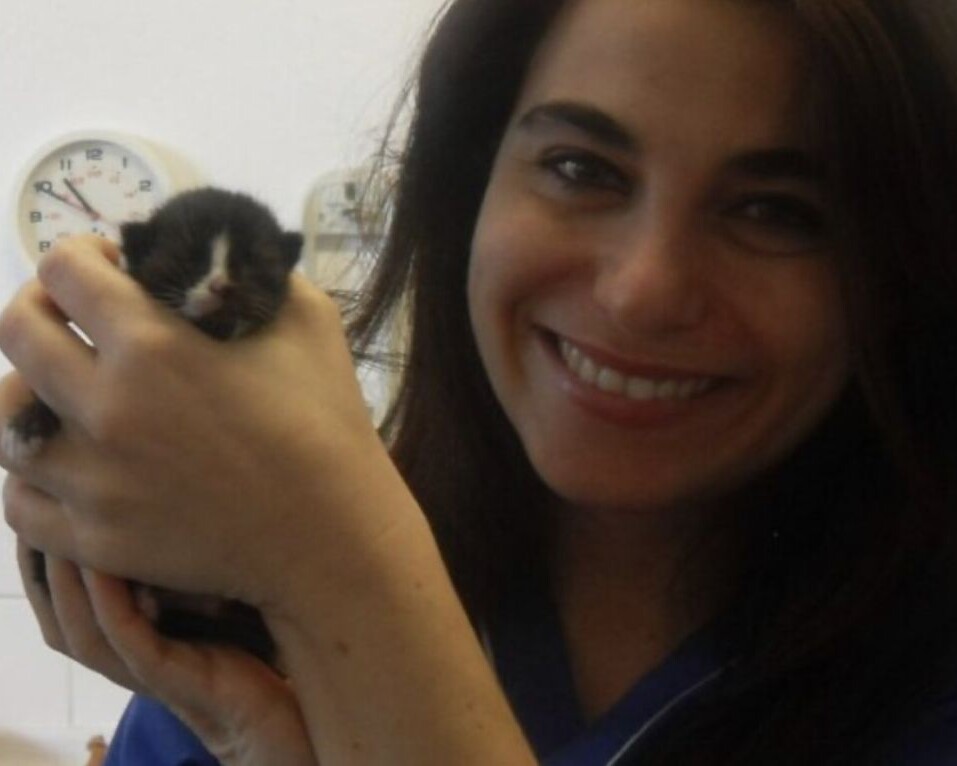
Meet your surgeon
Dr Gabriella Papa
DVM (Honours), RCVS CertSAS, MRCVS
RCVS Advanced Practitioner in Small Animal Surgery
Dr Gabriella graduated with Honours from the University of Naples in 2003 and has worked in the UK since 2007. She has held RCVS Advanced Practitioner recognition in Small Animal Surgery since 2015.
Her surgical experience encompasses advanced soft-tissue surgery, BOAS-related airway assessment and treatment, orthopaedic surgery, fracture management and reconstructive procedures.
She is also a recognised assessor for The Kennel Club and University of Cambridge Respiratory Function Grading Scheme. Her professional background supports careful, evidence-based assessment of brachycephalic breathing problems.
RCVS Advanced Practitioner is a recognised professional designation; it is distinct from RCVS Specialist status.
When to seek advice
Signs your dog may need assessment
Emergency: severe breathing difficulty, collapse, or blue/grey gums requires immediate veterinary attention. Do not wait for a routine appointment.
- Snoring or noisy breathing while awake
- Breathing heavily after light activity
- Reluctance to exercise or reduced stamina
- Restless sleep or unusual sleeping positions
- Gagging, retching or regurgitation
- Excessive panting or difficulty cooling down
- Open-mouth breathing at rest
- Episodes of weakness or collapse
- Worsening symptoms with excitement or heat
- Previous episodes of respiratory distress
Individualised surgical treatment
BOAS corrective procedures
There is no one-size-fits-all BOAS operation. The appropriate treatment depends on the structures causing obstruction and the dog’s overall health.
01 / NOSTRILS
Stenotic nares correction
Surgical widening or reshaping of narrowed nostril openings to reduce resistance to airflow at the entrance to the nose.
02 / SOFT PALATE
Soft palate surgery
Carefully planned reduction of an elongated or thickened soft palate to lessen obstruction near the entrance to the larynx.
03 / LARYNX
Laryngeal saccule assessment
Everted laryngeal saccules may contribute to obstruction. In selected patients, surgical removal may be considered.
04 / COMPLEX CASES
Complex airway disease
Advanced laryngeal collapse and other abnormalities may require additional investigation, different management or referral to a higher-level facility.
The aim of surgery is to improve respiratory function and welfare. It cannot guarantee completely silent breathing, normal anatomy or a cure in every patient.
From consultation to recovery
Your dog’s treatment journey
01 / HISTORY
Clinical history and examination
We discuss breathing, sleep, exercise, heat intolerance, gastrointestinal symptoms and any previous respiratory emergencies.
02 / ASSESS
Respiratory assessment and investigations
Where appropriate, assessment may include structured grading, blood tests, imaging and controlled airway examination under anaesthesia.
03 / PLAN
Informed surgical planning
We explain the findings, alternatives, anticipated benefits, risks, expected costs and postoperative monitoring needs before proceeding.
04 / ANAESTHESIA
Anaesthesia and airway management
Brachycephalic dogs require individualised anaesthetic planning, appropriate airway equipment, continuous monitoring and careful recovery.
05 / RECOVER
Recovery and follow-up
Patients are monitored for airway swelling, breathing difficulty, bleeding and regurgitation. Discharge and follow-up are based on individual clinical needs.
Official respiratory assessment
Understanding BOAS grades
The Kennel Club and University of Cambridge Respiratory Function Grading Scheme assesses eligible French Bulldogs, Bulldogs and Pugs using a standardised examination and exercise component.
Clinically unaffected
No clinical BOAS signs detected during assessment.
Clinically unaffected
Mild signs without clinically significant impairment under the scheme.
Clinically affected
Moderate signs; veterinary advice and possible treatment are appropriate.
Clinically affected
Severe signs requiring further veterinary evaluation.
Formal grading and a surgical consultation are different services. Please contact the clinic to confirm grading availability and eligibility.
Anaesthetic safety and aftercare
Care before, during and after surgery
Why BOAS anaesthesia needs care
Dogs with obstructed upper airways may be at increased risk of breathing problems during induction and recovery. The veterinary team must plan for airway management, oxygenation, monitoring and possible emergency intervention.
Some dogs require extended observation, oxygen support or referral for higher-level postoperative care. The proposed plan and limitations of available facilities should be discussed before treatment.
At-home recovery
Following discharge, owners may be advised to limit excitement and exercise, keep the dog cool, use a harness instead of a neck collar, follow prescribed medication and feeding instructions, and attend follow-up examinations.
Recovery is individual. Worsening breathing, collapse, persistent vomiting or other concerning signs require urgent veterinary advice.
Out-of-Hours Emergencies
If you need urgent help outside normal hours, please contact us – we’re always here when it matters most.Serving Maidstone and surrounding areas.
Call 01622 291510
Answers for owners
BOAS surgery FAQs
No. The need for surgery depends on clinical signs, examination findings, airway anatomy and individual risk. Some dogs are managed without surgery.
Yes. Longstanding airway obstruction can contribute to secondary changes, including laryngeal abnormalities. Early assessment is helpful when signs appear.
It may reduce noisy breathing, but completely silent breathing cannot be guaranteed. Residual obstruction and other anatomical features may remain.
Every operation and general anaesthetic carries risk. Brachycephalic patients have additional airway-related risks, particularly during recovery. The veterinary surgeon will discuss the individual risks and options.
Many dogs need around 10–14 days of restricted activity after uncomplicated procedures, but healing time and monitoring vary. Follow your dog’s personalised discharge plan.
Yes. Please contact the clinic to discuss the case and the relevant medical records, investigations and previous treatment.
Costs depend on assessment findings, diagnostic investigations, the procedures required and postoperative care. A tailored estimate should be discussed before surgery.
Coverage varies by insurer and policy, including exclusions for pre-existing or breed-associated conditions. Check directly with your insurer.
Noah’s Ark Pet Clinic · Kent
Give your dog the chance to breathe more comfortably.
Book a BOAS respiratory consultation or enquire about a veterinary referral. Our team can advise on the next step for your dog.
Stanhope Farm, Scragged Oak Road, Hucking, Maidstone, Kent ME17 1QU
reception@noahsarkpetclinic.co.uk
This page is educational and does not replace individual veterinary advice.