
Vet Practice Admin
Careers
Veterinary Practice Administrator
You are the operational backbone of the business, bridging the gap between clinical and non-clinical teams to ensure efficient daily operations.
Key Responsibilities:
Operations & Compliance: Oversee daily operations, manage vet rotas/schedules, coordinate repairs/maintenance, and ensure compliance with H&S, data, pharmacy, and RCVS regulations. Financial Management: Handle financial tasks like debt/insurance management, processing payments, managing insurance claims, and controlling stock/inventory. Client Relations: Serve as the primary point of contact for resolving client complaints, handle sensitive situations (e.g., bereavement), and ensure excellent customer service.
Essential Skills & Qualifications:
Experience: Proven team management experience and background in a veterinary or healthcare setting preferred. Core Skills: Strong organisational and multitasking abilities, excellent communication, financial literacy, and proficiency with practice management software. Personal Attributes: Calm under pressure, tactful/diplomatic, highly motivated, and reliable. Salary: £27,000-35,000
01
Apply
Submit your resume with clear contact details including a mobile number.
02
Wait
We look at our inbox several times daily – you can be assured we will be in touch.
03
Meet
When we speak to you we will find out all there is know including your salary expectations, your career objectives – and very importantly arrange a mutually convenient time to meet you in person.

Experienced Vet?
Careers
Veterinary Surgeon
We are seeking a confident and experienced Veterinary Surgeon who is passionate about surgery and ready to take ownership of a varied surgical caseload. You will split your time between consultations and surgical procedures, with an emphasis on complex and routine surgeries.
Key Responsibilities:
Surgical Excellence: Perform a wide range of surgical procedures, from routine neutering and lump removals to more complex operations such as fracture repairs, cruciate surgery, and advanced soft tissue surgery. Clinical Consultations: Conduct thorough examinations, diagnose conditions, and develop effective treatment plans for patients. Diagnostic Workups: Utilize in-house laboratory, imaging (X-ray/ultrasound), and other diagnostic tools to support clinical decision-making. Anaesthesia & Patient Care: Oversee anaesthesia during procedures and ensure high standards of inpatient care and pain management. Client Communication: Build lasting relationships with clients by providing clear communication, tailored treatment plans, and compassionate support. Team Collaboration: Work collaboratively with RVTs, veterinary assistants, and other surgeons to ensure seamless patient care and a positive work environment.
Salary: £85,000-95,000
01
Apply
Submit your resume with clear contact details including a mobile number.
02
Wait
We look at our inbox several times daily – you can be assured we will be in touch.
03
Meet
When we speak to you we will find out all there is know including your salary expectations, your career objectives – and very importantly arrange a mutually convenient time to meet you in person.
Mentorship
Careers
Graduate Veterinary Surgeon
Congratulations on qualifying! Now comes the real learning.
We don't expect you to know everything on day one—because nobody does. We are looking for a passionate, curious, and compassionate Graduate Veterinary Surgeon who wants to build a solid foundation in a practice that prioritises mentorship over pressure.
Here, you won’t be thrown in the deep end. You’ll be guided, supported, and gradually built up to become the confident, autonomous vet you aspire to be through a structured graduate career programme
Named Clinical Mentor: You'll have a dedicated, experienced vet who is specifically trained to mentor. They’ll be your go-to for case reviews, surgical tips, and emotional support. Gradual Surgical Exposure: Start as a second pair of hands, progress to routine neuters and dentals under direct supervision, and eventually tackle more complex soft-tissue surgeries when you feel ready—never before. Consultation Confidence: We'll ease you into the consulting rota. Initially, your consults are longer, blocked out, and a senior vet is always just a door-knock away for a second opinion.
Salary: £40,000-45,000
01
Apply
Submit your resume with clear contact details including a mobile number.
02
Wait
We look at our inbox several times daily – you can be assured we will be in touch.
03
Meet
When we speak to you we will find out all there is know including your salary expectations, your career objectives – and very importantly arrange a mutually convenient time to meet you in person.
RVNs?
Careers
Registered Veterinary Nurse
As an RVN at our clinic you will be the patients' biggest advocate and the vets' right hand. You will have the autonomy to manage your own schedule and run nurse-led clinics and make a tangible difference in our patients' recovery journeys.
Key Responsibilities:
Surgical Nursing: Anaesthesia induction, patient monitoring, and assisting in theatre. We trust your expertise—if you notice a drop in vitals, we listen to you. In-Patient Care: Round-the-clock monitoring, fluid therapy, pain management, and critical care for our hospitalised patients. Perform: dental prophylaxis, stitch-ups, and catheter placements to your full nursing capacity. Diagnostics: Take and develop high-quality digital X-rays, run in-house laboratory tests (haematology/biochemistry), and assist with ultrasound scans. Nurse-Led Clinics: Run our popular nurse consults—second vaccinations, weight clinics, behaviour advice, and post-op checks. Your client education is invaluable.
Salary: £35,000-45,000
01
Apply
Submit your resume with clear contact details including a mobile number.
02
Wait
We look at our inbox several times daily – you can be assured we will be in touch.
03
Meet
When we speak to you we will find out all there is know including your salary expectations, your career objectives – and very importantly arrange a mutually convenient time to meet you in person.
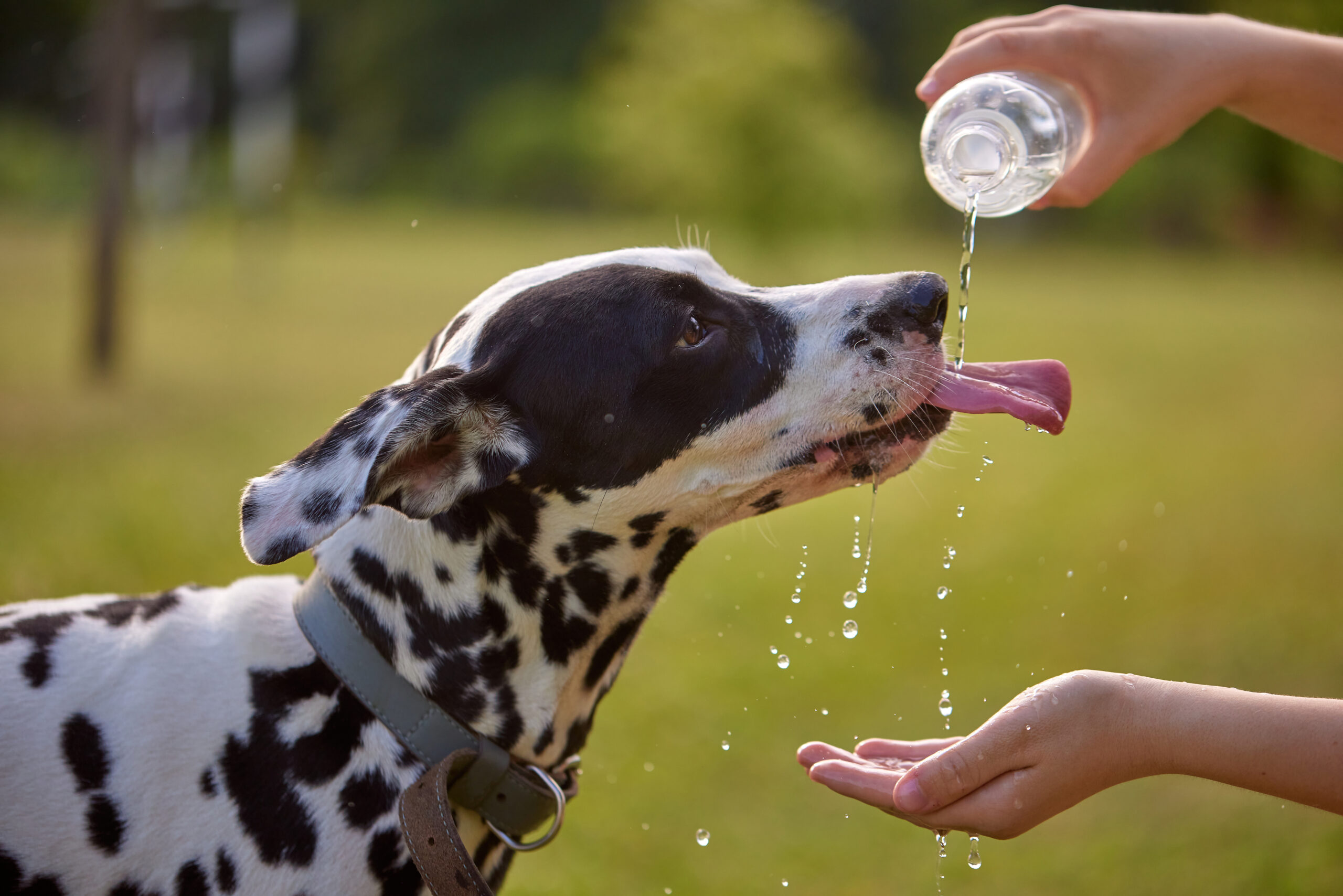
Keeping Your Dog Safe in the Summer Heat
Pet Advice
Breeding 101: Must-Know Information for Responsible Pet Breeding
01
Understand the Responsibility Involved
Breeding isn’t just about producing puppies or kittens; it’s about ensuring the health, safety, and well-being of both the parent animals and their offspring. It requires careful planning and a long-term commitment. In addition to the financial and time commitments, you’ll also need to be prepared for the emotional responsibility of caring for both the mother and her litter.
Key Points to Consider:
02
Health Testing and Genetic Screening
One of the most critical steps before breeding is ensuring both the mother and father are healthy. Breeding should only take place when both animals are in optimal health to avoid passing on hereditary health problems. Before breeding, you should have the animals thoroughly examined by a veterinarian, and both should undergo screening for genetic conditions, infectious diseases, and parasites.
Health Screening and Testing Include:
03
Choosing the Right Mate
When it comes to breeding, selecting the right mate for your pet is crucial. It’s important to choose a mate that complements your pet’s traits, temperament, and health. Responsible breeders often choose mates who are not only healthy but also possess desirable characteristics that contribute to the breed standard.
What to Look for in a Mate:
04
Preparing for Pregnancy and Birth
Once you’ve selected a mate, it’s essential to prepare for the pregnancy and birth. A mother’s pregnancy (gestation) typically lasts around 63 days, but it can vary slightly. During this time, she will need special care and attention to ensure she remains healthy and that the developing puppies or kittens have the best chance at a healthy start.
Things to Keep in Mind:
05
Preparing for Labor and Whelping or Kitting
As the due date approaches, it’s important to know the signs of labour and be prepared for the birth. For dogs, the process is known as whelping, and for cats, it’s called kitting. Knowing the normal signs of labour can help you provide appropriate care and be ready to assist if needed.
Signs of Labour:
Be sure to have clean towels, gloves, and a safe area prepared for the birth. In some cases, complications can arise, and you should always have the contact information for an emergency vet in case assistance is needed.
06
Post-Birth Care and Socialisation
After the puppies or kittens are born, it’s essential to provide proper care for both the mother and her litter. The mother will need to nurse and bond with her young, and it’s important to monitor the puppies or kittens to ensure they’re feeding properly and gaining weight.
Key Steps for Post-Birth Care:
As the puppies or kittens grow, it’s important to start socialising them early to ensure they develop into well-adjusted, friendly pets. Handle the babies gently, introduce them to different environments, sounds, and people, and start basic socialisation early. This will help them grow into confident, friendly pets.
07
Finding Responsible Homes
One of the most critical aspects of breeding is ensuring that you find responsible, loving homes for all the puppies or kittens once they are old enough. This is where careful planning comes into play. Research potential adopters thoroughly to ensure they are prepared for the responsibility of owning a pet.
Tips for Finding Responsible Homes:
08
Spaying and Neutering
Once the breeding process is complete, consider spaying or neutering your pets to avoid accidental litters in the future. Spaying or neutering also helps reduce the risk of certain health issues, including cancers, and can improve behaviour in pets.
Final Thoughts: Be a Responsible Breeder
Breeding is a big responsibility and should not be taken lightly. It requires dedication, patience, and a deep understanding of your pet’s health and well-being. Always breed responsibly and prioritise the health of the animals involved. If you are uncertain or inexperienced, consider working with a reputable breeder or seeking advice from your veterinarian. By following these guidelines, you can ensure that you’re making informed decisions that benefit both the parents and the puppies or kittens they produce.
Before you breed your pet, be sure you’re prepared to give them the care and attention they deserve—during pregnancy, labour, and the rearing of their young. Your commitment will make a huge difference in the lives of the animals involved.
By following these tips, you can ensure your dog enjoys a safe and happy summer, filled with fun activities and plenty of cool rest breaks!